
Black Friday has grown into one of the most competitive shopping periods for businesses. As brands prepare for the annual shopping rush, customers are exposed to hundreds of promotional campaigns, limited-period offers, and discounted product ranges. In this environment, simply offering lower prices may not be enough to attract attention or encourage purchases.
For e-commerce businesses, Black Friday presents an opportunity to reach new audiences, bring back existing customers, and increase sales. However, making the most of this period requires a well-planned marketing strategy that considers the entire customer journey, from the first promotional message to post-purchase engagement.
Black Friday 2026 falls on November 27, followed by Cyber Monday on November 30. The scale of this shopping event continues to grow. According to Shopify, merchants on its platform generated a record $14.6 billion in global sales during BFCM 2025, marking a 27% increase from the previous year. (Source: Spotify) With many businesses extending their promotions across the shopping week, brands have several opportunities to connect with customers before and after the main event.
This occasion is also gaining traction in India’s retail market. An Economic Times report noted that brands at DLF malls recorded sales increases of 20–35% during Black Friday promotions, with around half the brands across DLF and Oberoi malls expected to participate in the event in 2026. This growing participation reflects how international shopping occasions are becoming an increasingly important part of India’s retail calendar. (Source: Economic Times)
The focus, therefore, should be on creating campaigns that offer customers more reasons to shop than just attractive discounts. Here are 25 Black Friday marketing ideas that businesses can use to build interest, improve conversions, and encourage long-term customer relationships.
Pre-Black Friday Marketing Ideas: Build Interest Before the Sale
A successful Black Friday campaign begins before the actual shopping event. Giving customers an early look at upcoming offers, introducing exclusive benefits, and creating awareness can help brands build an interested audience before promotional competition peaks.
1. Give Loyal Customers Early Access to Deals
Existing customers are often among the most interested audiences during a seasonal sale. Instead of making everyone wait until Black Friday, brands can offer loyalty members an opportunity to explore selected deals in advance.
For example, a fashion retailer could give its repeat customers 24-hour early access to its Black Friday collection. A special shopping link or promotional code can make the experience exclusive.
2. Create Social Media Teaser Campaigns
Social media can help brands build anticipation several weeks before Black Friday. Rather than revealing every offer immediately, businesses can gradually introduce upcoming collections, product previews, and promotional announcements.
Instagram Reels, Stories, countdown stickers, and short videos can be used to create curiosity. For instance, a beauty brand could share glimpses of its upcoming gift sets without revealing their complete pricing.
3. Collaborate with Influencers and Brand Ambassadors
Influencer marketing can help businesses introduce their Black Friday offers to audiences beyond their existing customer base. Brands can collaborate with relevant creators who can demonstrate products, share honest reviews, or showcase upcoming collections.
Giving selected influencers exclusive discount codes can also help businesses track the response generated by individual collaborations. For example, a home décor brand could partner with lifestyle creators to demonstrate how its products can be used in everyday spaces.
4. Publish Black Friday Gift Guides for Different Audiences
During the holiday shopping season, many customers look for products they can purchase for friends, family members, and colleagues. Gift guides can simplify this decision-making process. Brands can create separate recommendations based on interests, age groups, product categories, or budgets.
For instance, an electronics retailer could publish guides such as ‘Gifts for Tech Enthusiasts’, ‘Useful Gadgets Under ₹2,000’ and ‘Top Accessories for Students’. These guides can be published as website blogs, social media posts, or email newsletters.
Businesses can also use customer segments to share relevant recommendations instead of sending the same content to everyone.
5. Extend the Black Friday Sale Period
Instead of limiting promotions to November 27, brands can introduce early-bird deals and continue selected offers through Cyber Monday or the wider Cyber Week period. This gives customers more time to explore products and allows businesses to reach shoppers who may not be ready to purchase on the main sale day.
For example, a retailer could introduce selected offers during the week leading up to Black Friday, reserve exclusive deals for November 27, and launch a separate set of online promotions for Cyber Monday.
However, an extended sale should have a clear promotional structure. Customers should understand which offers are available at each stage rather than seeing the same discounts repeatedly.
Black Friday Promotion Ideas: Give Customers More Reasons to Buy
The following Black Friday promotion ideas can help brands create attractive offers while keeping their pricing and profit margins in consideration.
6. Introduce Flash Sales Throughout the Day
Flash sales are short-duration promotions that offer special prices on selected products for a limited period. Instead of running one continuous offer, brands can introduce different deals at specific times throughout Black Friday. For example, an electronics retailer could offer discounts on headphones in the morning, smartwatches in the afternoon, and selected accessories in the evening.
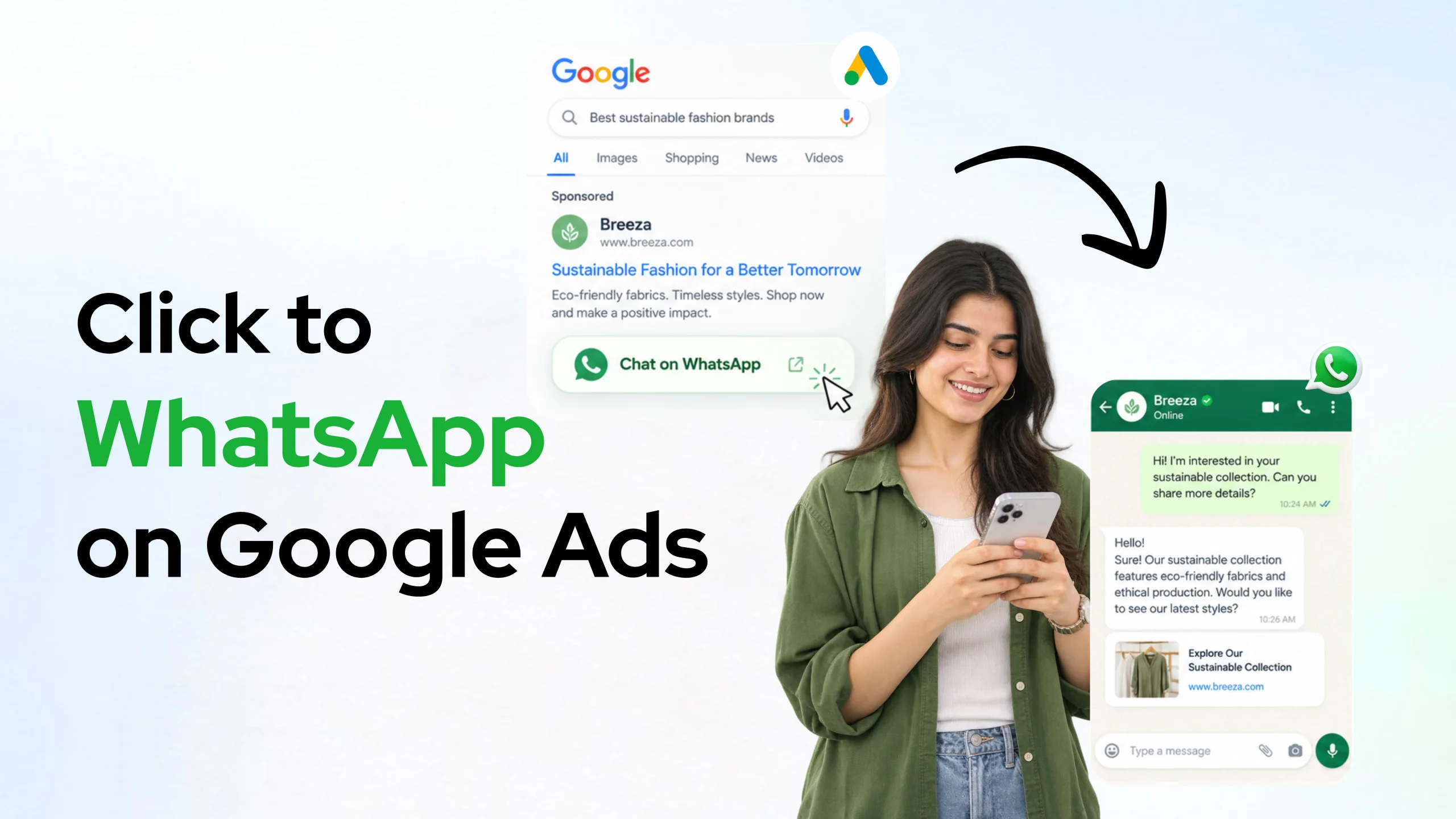
Promoting these offers through social media, email, and WhatsApp can encourage customers to revisit the website throughout the day. The changing offers also give businesses more opportunities to highlight different products without relying on a single promotional announcement.
7. Create Product Bundles and Combo Offers
Product bundling allows businesses to group complementary items and sell them together at an attractive combined price. For example, a skincare brand could offer a cleanser, moisturiser, and serum as a complete skincare kit. Similarly, an electronics retailer could combine a laptop with a carrying case and a wireless mouse.
These combinations make product selection easier for customers while helping businesses increase their average order value. Bundles can also introduce shoppers to products they may not have considered purchasing individually.
8. Use Mystery Discounts and Gamified Offers
Not every promotion needs to reveal the discount immediately. Brands can make shopping more interactive through scratch cards, spin-the-wheel games, and mystery coupon campaigns. For example, an online retailer could allow visitors to spin a digital wheel to unlock a discount of 10%, 15%, or 20%. The offer could be redeemed during the Black Friday sale, giving customers another reason to return to the website.
Gamified promotions can also encourage visitors to participate, share the campaign, and sign up for future updates, provided the participation process is transparent and any data collection follows applicable consent requirements.
9. Offer Free Shipping and Faster Delivery
Unexpected shipping charges can influence a customer’s decision at checkout. Businesses can address this by offering free delivery on orders above a particular amount or providing express shipping during the sale period. For example, an online fashion retailer could offer free shipping on purchases above ₹1,500.
Another option is to provide faster delivery for selected locations or product categories. These benefits can make an offer more attractive without requiring the business to reduce product prices further.
However, brands should ensure their delivery partners and fulfilment teams can handle the additional order volume before advertising such promises.
10. Introduce Tiered Discounts Based on Purchase Value
Tiered discounts reward customers for spending more by offering increasing benefits at different purchase levels. For instance:
- Spend ₹2,000 and receive 10% off.
- Spend ₹4,000 and receive 15% off.
- Spend ₹6,000 and receive 20% off.
This gives customers a clear incentive to add more products to their shopping carts. Businesses can also introduce free gifts or additional benefits at higher spending levels. The discount structure should be planned around product margins to ensure that higher order values translate into profitable sales.
According to a survey, 38% of shoppers are classified as holiday value seekers, meaning they actively look for promotions, redeem rewards, and consider lower-priced alternatives when making gift purchases. Interestingly, these shoppers expect to spend 12% more than other consumers, suggesting that value-conscious customers are not necessarily spending less. They are looking for more value from what they buy. (Source: Deloitte)
11. Announce Surprise Product Restocks and Hidden Deals
Surprise offers can keep customers interested throughout the Black Friday weekend. Brands can announce limited restocks of popular products, introduce an unadvertised deal, or reveal a special offer at a particular time. For example, a sneaker retailer could announce the return of a previously sold-out design for a limited period.
These announcements encourage customers to revisit the website and follow the brand’s updates. They can also create conversations on social media, particularly when the product already has an interested audience.
12. Launch Limited-Edition Products
Exclusive product launches can help brands stand out when several competitors are offering similar discounts. Businesses can introduce special colours, seasonal packaging, exclusive designs, or limited-edition collections specifically for Black Friday. For example, a beauty brand could launch a festive gift box containing products that are not available in its regular collection.
The appeal comes from the product’s exclusivity rather than just its reduced price. Customers who are interested in owning something different may be more inclined to purchase when availability is genuinely limited.
13. Position Black Friday as the Brand’s Biggest Annual Sale
Some brands run frequent promotional campaigns throughout the year, which can make individual discounts less exciting for customers. One way to create a stronger occasion is to position Black Friday as the brand’s most important annual shopping event.
Businesses can build their communication around exclusive collections, special pricing, and benefits that are available only during this period. This approach can work particularly well for brands that want to protect their regular pricing while still creating a strong reason for customers to purchase.
However, such messaging should reflect the actual promotional calendar. Repeatedly calling every sale the biggest event of the year can reduce customer confidence.
14. Connect Promotions with a Social Cause
Black Friday campaigns can also create opportunities for brands to support social and community initiatives. Businesses could donate a portion of their sales to a charitable organisation, support an environmental initiative, or contribute to a community project through selected purchases.
For example, a clothing brand could pledge to donate ₹50 for every order placed during Black Friday. This gives customers an additional reason to participate in the campaign while allowing the brand to communicate its social commitments.
Transparency is important here. Businesses should clearly explain how contributions will be calculated and share the outcome after the campaign.
Black Friday Conversion and Customer Experience Ideas
Getting customers to visit a website is only one part of a successful campaign. Businesses also need to make product discovery, communication, and checkout convenient enough to encourage completed purchases.
15. Create a Dedicated Black Friday Landing Page
A dedicated Black Friday landing page can bring all promotional offers together in one place. Instead of directing customers to different pages through advertisements and social media posts, brands can create a central destination featuring their most important deals. The page could include:
- Featured products and best-selling collections.
- Exclusive bundles and limited-period offers.
- Discount codes and promotional conditions.
- Delivery and return information.
- Links to different product categories.
A well-organised landing page makes it easier for customers to compare offers and find relevant products. Businesses can also retain a consistent Black Friday page URL each year and update its content for future campaigns, helping preserve its search visibility over time.
16. Use Countdown Timers to Communicate Limited-Time Offers
Countdown timers can help customers understand how much time remains before a particular offer expires. Brands can display timers on their websites, product pages, and promotional emails to highlight the closing time of a Black Friday or Cyber Monday deal.
For example, a retailer could display a countdown showing that a special bundle offer ends at midnight. These reminders can encourage customers who are still considering a purchase to make a decision.
However, countdowns should reflect actual deadlines. Artificial urgency created through repeatedly resetting timers can damage customer trust.
17. Optimise Websites and Campaign Creatives for Mobile Shopping
A large share of online shopping activity takes place through smartphones. This makes mobile optimisation an important part of any Black Friday ecommerce marketing strategy. Brands should ensure that their websites load quickly, product photographs are clear, and checkout processes are easy to complete on smaller screens.
Promotional creatives also need to be designed with mobile viewing in mind. Important information such as product pricing, discount percentages, and offer validity should be easy to read. Businesses should test their websites across different devices before the sale begins, paying particular attention to payment processes, navigation, and checkout forms.
A convenient mobile experience can help reduce unnecessary drop-offs when customer traffic is at its highest.
18. Use Retargeting and Dynamic Advertising
Many visitors explore products during Black Friday without completing a purchase. Retargeting allows brands to reconnect with these potential customers through relevant advertisements. For instance, someone who viewed a particular smartphone but did not purchase it could later see an advertisement featuring that product and its ongoing Black Friday offer. Dynamic advertising can also display products based on the items customers previously explored.
Businesses can create separate audience groups for website visitors, previous buyers, and customers who abandoned their shopping carts. This makes promotional communication more relevant and gives brands another opportunity to convert visitors who have already shown purchase interest.
19. Connect Online and Offline Shopping Experiences
Customers may discover products through social media, compare them on a website, and eventually purchase them from a physical store. Brands with both online and offline operations can connect these experiences through an omnichannel marketing strategy. For example, a retailer could allow customers to reserve products online and collect them from a nearby store. Physical outlets could also display QR codes that direct shoppers to online-exclusive offers.
Similarly, online advertisements can highlight the availability of products at selected stores. The objective is to give customers greater flexibility while ensuring that offers, product information, and communication remain consistent across channels.
20. Use Customer Reviews and User-Generated Content
Customer reviews, product photographs, and unboxing videos can help potential buyers understand how products perform in real-life situations. During Black Friday, brands can bring this content into their promotional campaigns instead of relying entirely on traditional advertisements. For example, a home décor brand could share photographs submitted by customers showing how its products look in their homes.
Businesses can also invite buyers to share their experiences through a branded hashtag or a post-purchase review request. This creates an opportunity for existing customers to contribute to the brand’s content while giving new shoppers additional information to consider before making a purchase.
21. Prepare Customer Support, Inventory, and Delivery Operations
Black Friday campaigns can bring a sudden increase in website traffic, customer enquiries, and orders. Businesses should prepare their teams in advance by checking website performance, monitoring inventory, arranging delivery operations, and preparing customer support for common queries about offers, payments, shipping, and returns. Clear order confirmations and timely delivery updates also help customers stay informed after making a purchase.
A 2026 Black Friday trend report, based on a survey of 29,000 online shoppers and 5,800 e-commerce businesses across 29 countries, highlights why delivery convenience matters. It found that 1 in 3 Black Friday shoppers are most likely to abandon a purchase at the shipping-options stage. Further, 81% would abandon their purchase if their preferred delivery options were unavailable, while 77% said they would not shop with a brand if they did not trust its delivery or returns provider. (Source: DHL)
Brands can use WhatsApp, SMS, and email to manage these interactions across different touchpoints. Platforms such as TrustSignal support businesses in maintaining this communication through channels such as WhatsApp Business API, SMS, and RCS.
Post-Black Friday Marketing Ideas: Turn First-Time Buyers into Repeat Customers
The end of Black Friday does not necessarily mean the end of the shopping opportunity. Businesses can use the customer relationships established during the sale to encourage repeat purchases and maintain engagement throughout the holiday season.
22. Reward Customers with Exclusive Loyalty Benefits
Black Friday is a good opportunity to introduce customers to a brand’s loyalty programme or reward existing members with additional benefits. Businesses can offer double reward points, special member-only deals, free gifts, or exclusive access to upcoming collections.
For example, customers who make a purchase during Black Friday could receive bonus points that can be redeemed on their next order.
These benefits encourage shoppers to remain connected with the brand after the promotional period and provide an additional reason to return.
23. Recommend Relevant Products After a Purchase
Once customers complete their purchases, brands can introduce complementary products that match their original orders. This is commonly known as cross-selling and upselling. For example, someone purchasing a laptop could receive recommendations for a wireless mouse, laptop stand, or carrying case. A customer buying a skincare product could be introduced to other items from the same range.
These recommendations can be shared through email, WhatsApp, or other suitable communication channels. The important consideration is relevance. Recommendations should complement the customer’s purchase rather than simply introduce unrelated products.
24. Introduce Gift Card and Referral Campaigns
Gift cards and referral programmes can extend the impact of Black Friday promotions beyond the main shopping weekend. Businesses could offer a bonus gift card when customers purchase one above a particular value. For instance, someone purchasing a ₹2,000 gift card could receive an additional ₹200 to use on a future order.
Referral campaigns can work alongside these offers. Existing customers could receive rewards for introducing friends or family members who make their first purchase. This creates opportunities for repeat purchases while encouraging existing buyers to introduce the brand to new audiences.
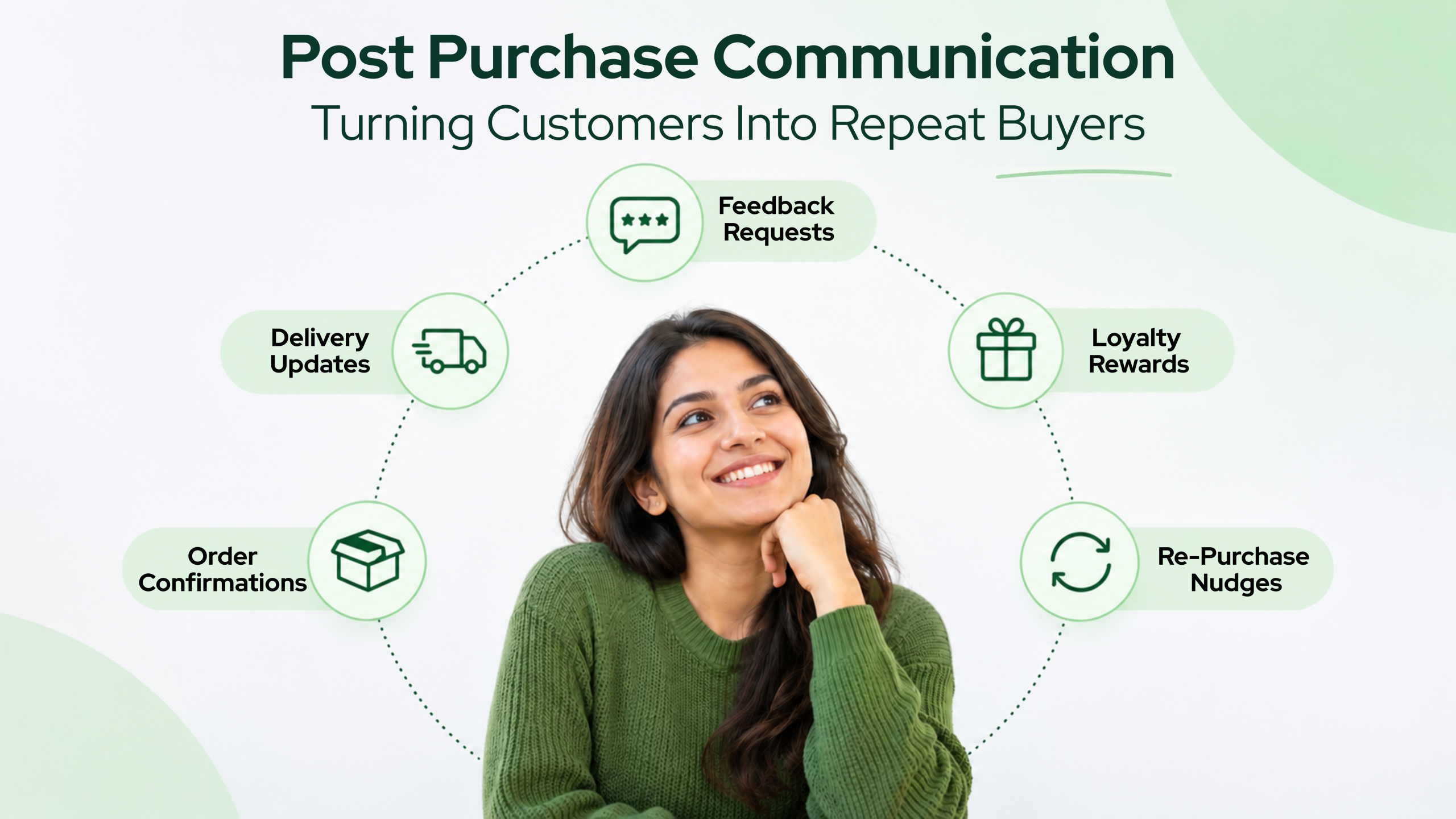
25. Continue Post-Purchase Communication and Follow-Ups
One of the most important Black Friday marketing strategies is maintaining communication after the sale ends. Customers who have made their first purchase should continue receiving useful information about their orders, products, and relevant future offers. Businesses can build a structured post-purchase communication plan that includes:
- Thank-you messages after an order is placed.
- Order confirmation and shipping updates.
- Feedback and product review requests after delivery.
- Relevant recommendations based on previous purchases.
- Invitations to loyalty programmes and upcoming promotions.
For example, a customer who purchases a fitness product during Black Friday could receive a follow-up message introducing complementary accessories or a relevant product collection.
Brands can use customer segments to ensure that first-time buyers, repeat customers, and high-value customers receive communication suited to their relationship with the business. The objective is to make customers feel supported beyond the transaction and give them meaningful reasons to return.
How Should Brands Plan Their Black Friday Marketing Campaigns?
With 25 different ideas to consider, businesses do not necessarily need to implement every strategy. The better approach is to select ideas that align with their audience, product categories, available resources, and marketing objectives. A simple campaign structure can help businesses organise their efforts:
| Campaign stage | Marketing priorities |
| Before Black Friday | Influencer campaigns, social media teasers, gift guides, and early-access promotions. |
| During Black Friday | Flash sales, product bundles, exclusive deals, and mobile-friendly shopping experiences. |
| Cyber Monday | Retargeting, online-exclusive offers, and reminders for undecided shoppers. |
| After Black Friday | Loyalty rewards, product recommendations, feedback requests, and customer follow-ups. |
Businesses should also evaluate campaign performance beyond total sales. Metrics such as conversion rates, average order value, abandoned carts, customer acquisition, and repeat purchases can offer a clearer picture of how the campaign performed.
This information can help marketers identify which promotional ideas attracted customers, which communication channels generated meaningful engagement, and where improvements are needed for the next shopping season.
Conclusion
Black Friday offers businesses an opportunity to do much more than generate short-term sales. From early-access promotions and influencer collaborations to personalised communication and loyalty rewards, the right combination of marketing ideas can help brands create a more valuable shopping experience.
The most effective campaigns consider what happens before, during, and after the purchase. While attractive offers can bring customers to a brand, a convenient shopping experience and relevant post-purchase communication can give them reasons to return.
Ultimately, the goal should not be to win a customer’s attention for one shopping weekend, but to build a relationship that continues well beyond Black Friday.