
Scalable SMS API for Global Messaging
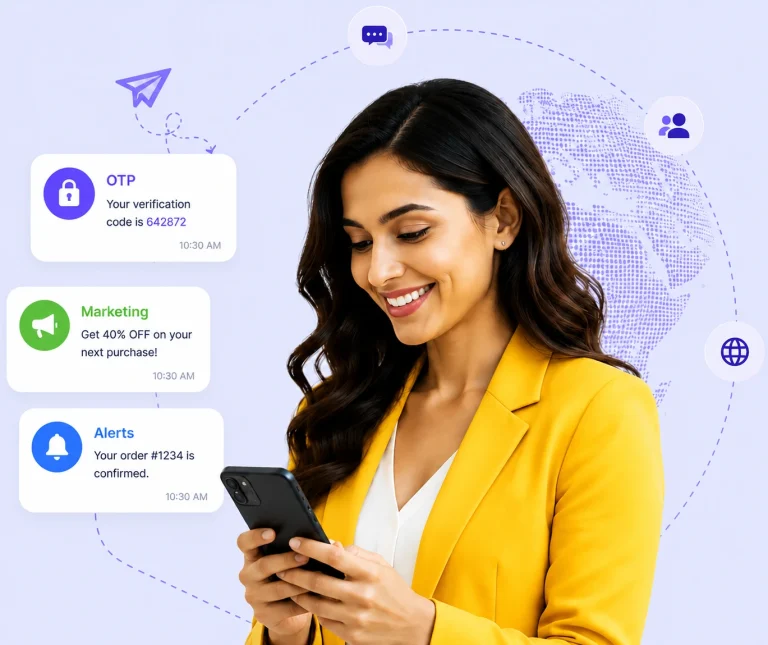
Send SMS globally with our easy-to-integrate SMS API. Enjoy high deliverability, low latency, and reliable messaging at any scale.
Trusted by Leading Brands
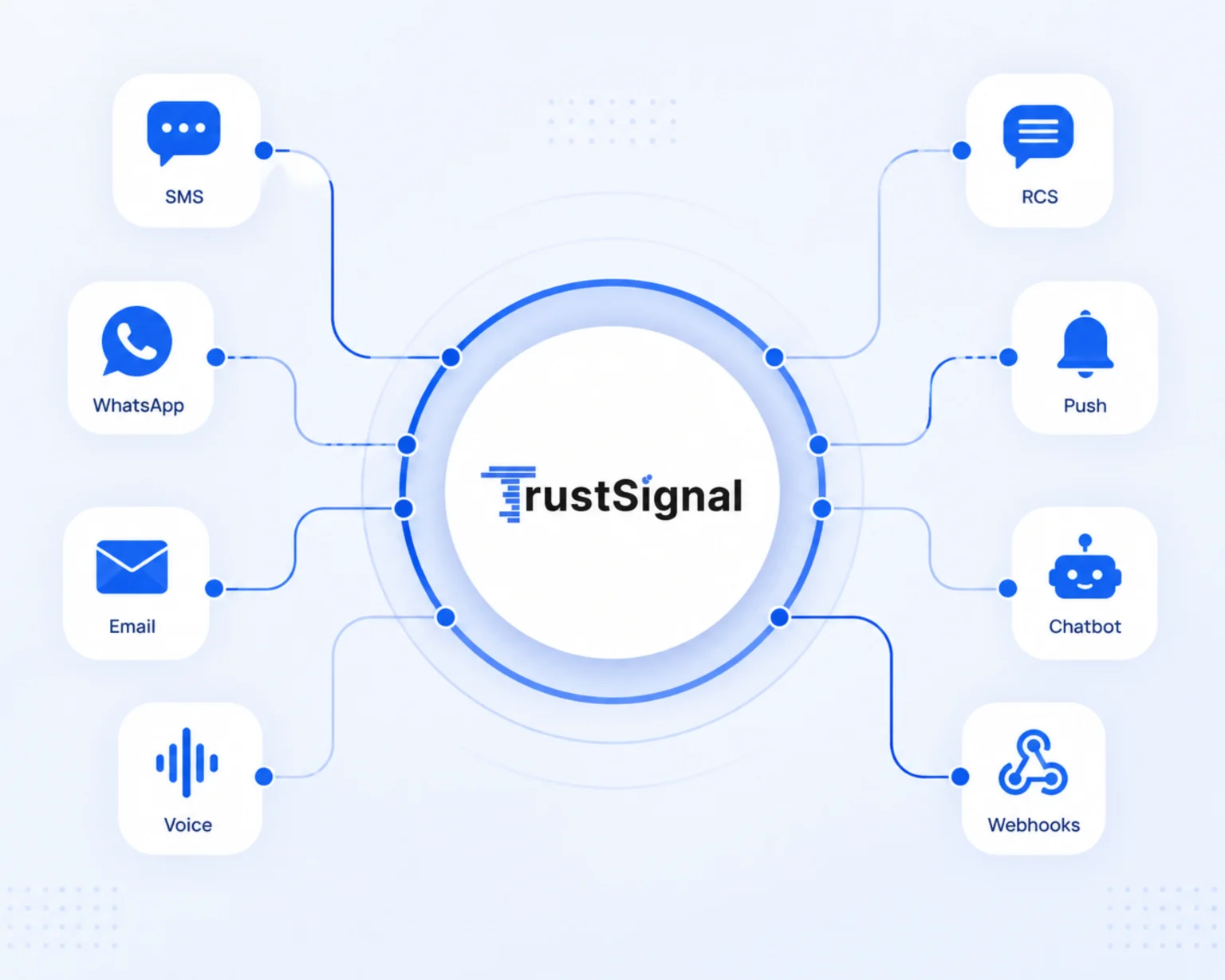
Complete SMS Solution
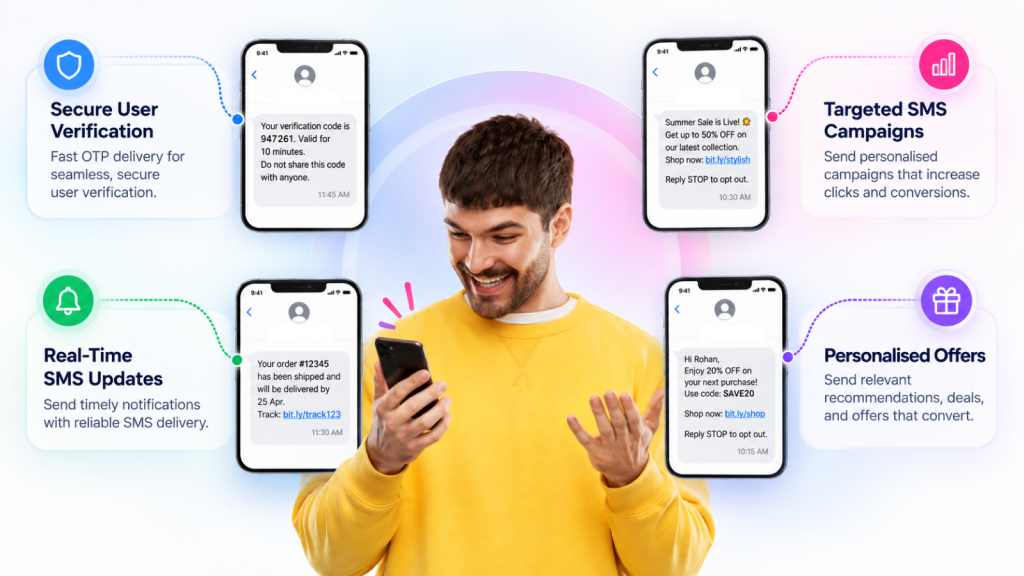
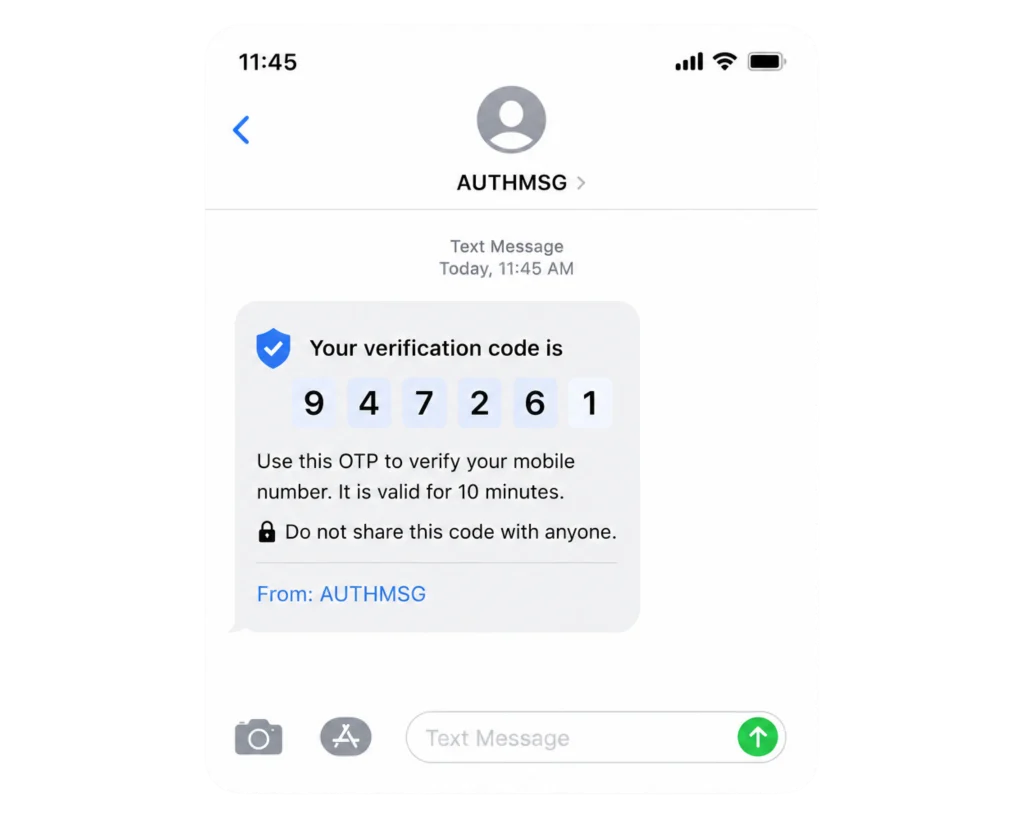
Secure every login, and signup with instant OTP delivery.
- Ensure seamless user verification with fast, reliable SMS authentication codes that enhance account security, reduce fraud, and improve customer trust.
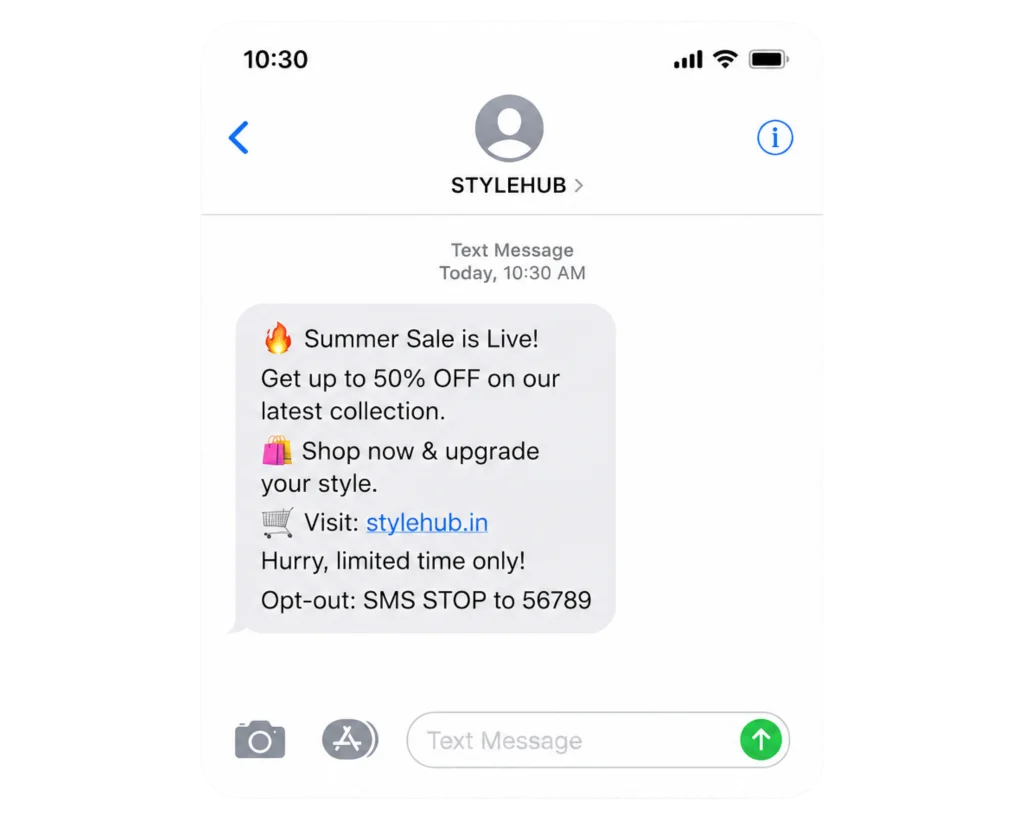
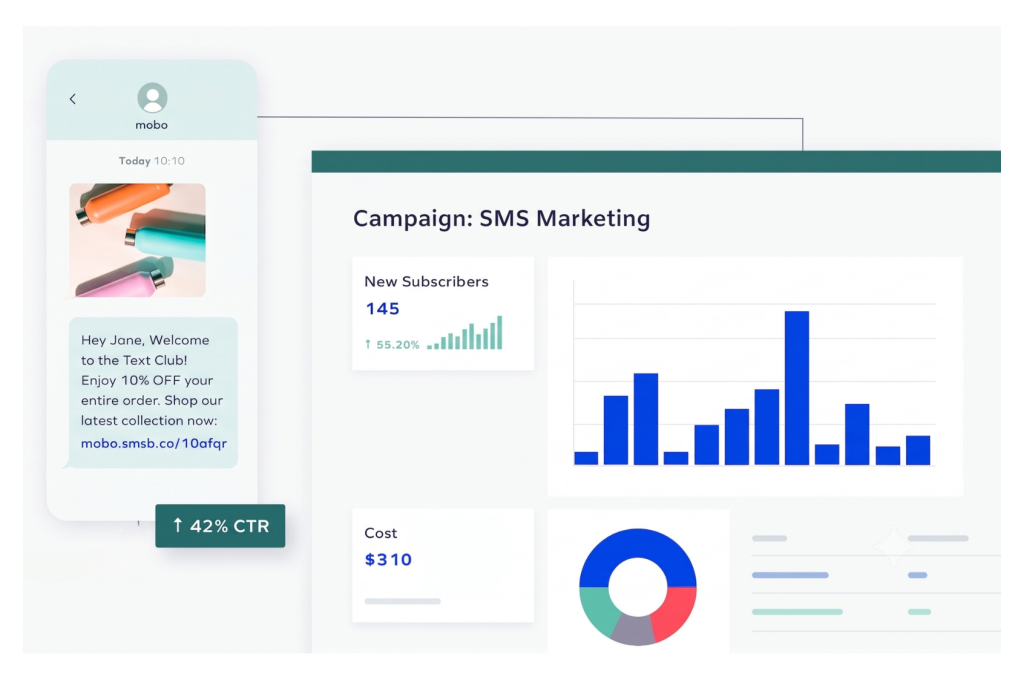
Drive engagement and conversions with SMS marketing
- Reach customers instantly with personalized offers, product launches, flash sales, and promotional campaigns designed to increase click-through rates and revenue.
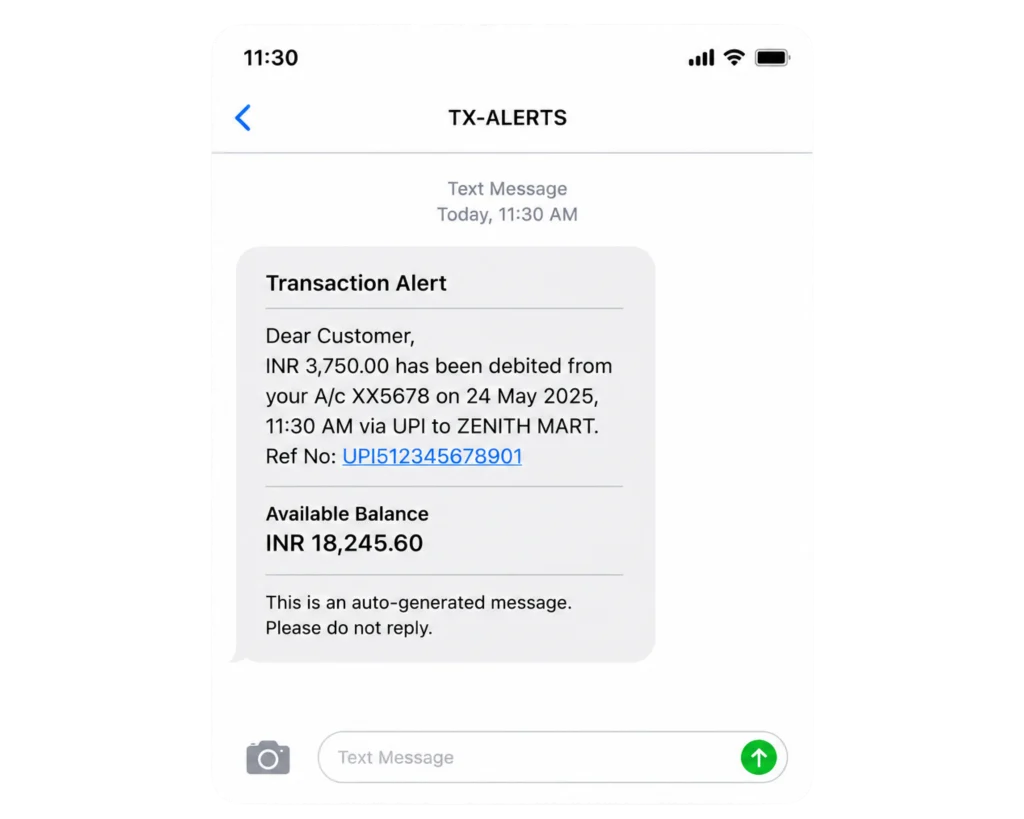
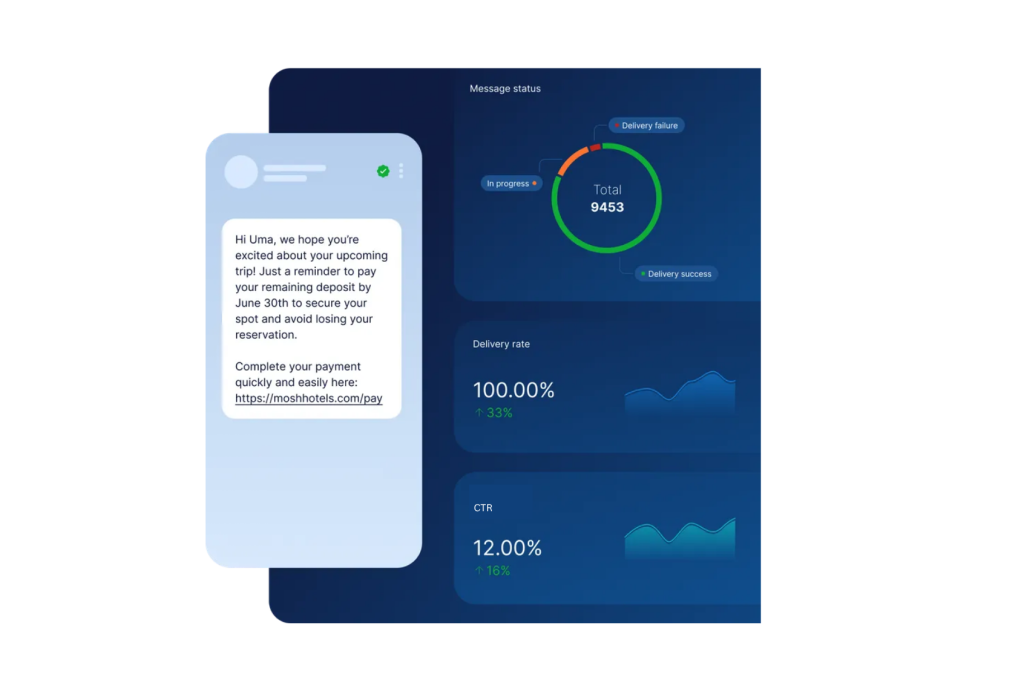
Keep customers informed with real-time updates that matter
- Send order confirmations, delivery updates, payment reminders, account notifications, and critical service alerts with industry-leading SMS deliverability.
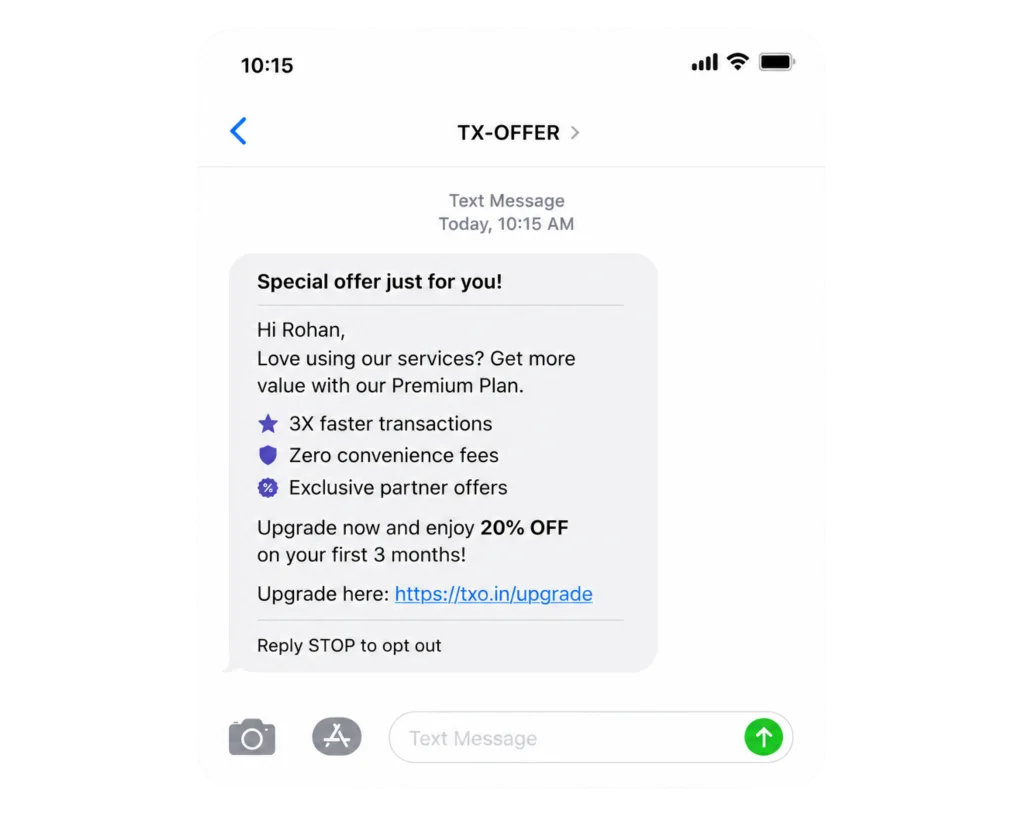
Turn every customer interaction into a growth opportunity
- Boost customer lifetime value by sending relevant product recommendations, exclusive deals, and personalized offers alongside transactional communications.
Keep customers informed and engaged





Why use Trustsignal SMS API Services
Real-Time Analytics
Track performance with live insights and actionable reporting.

In House Tech Support
Receive expert assistance with dedicated, fast response times.
Trusted SMS Routing
Ensure reliable delivery through secure messaging routes.
Smart Link Tracking
Measure engagement with detailed click tracking insights.
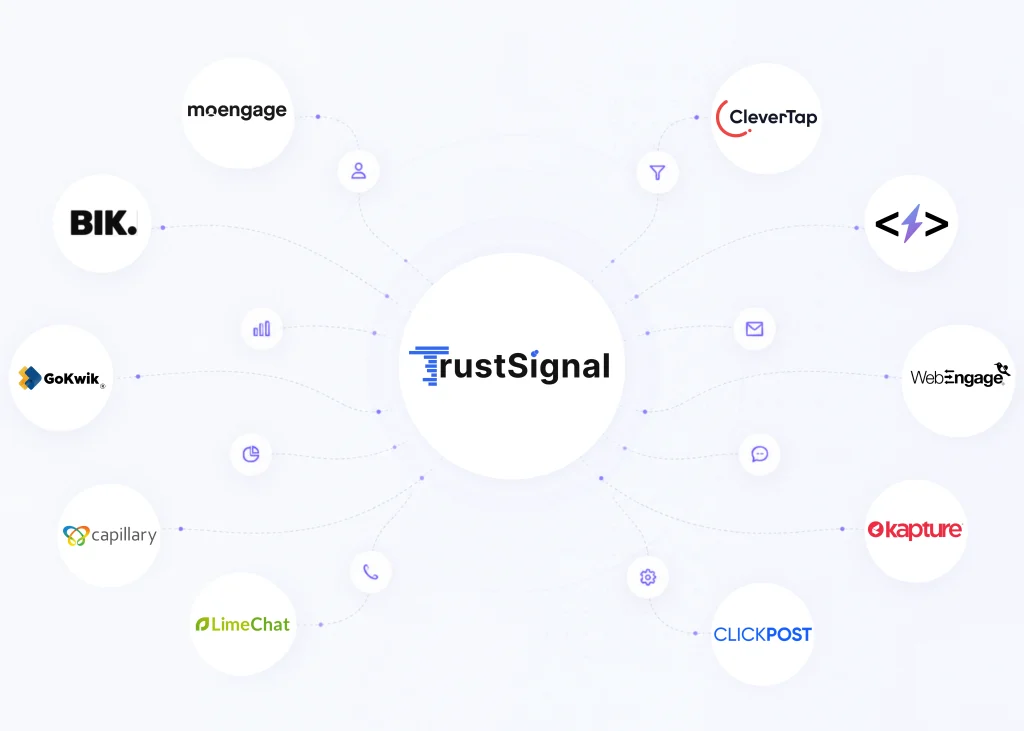
Works with the tools you already use
Supercharge your workflows by integrating TrustSignal with your favorite CRMs and automation tools
Why Customers Choose Us
EXCELLENTTrustindex verifies that the original source of the review is Google. It’s been a great experience working with the Trust Signal team. They are extremely supportive and professional. A special thanks to Anas for his constant help and guidancePosted on GoogleTrustindex verifies that the original source of the review is Google. Our experience with TrustSignal has been outstanding. The support team is highly responsive, knowledgeable, and always ready to help. Their guidance has made our processes smoother and more efficient. Very happy and fully satisfied with their service!Posted on GoogleTrustindex verifies that the original source of the review is Google. We’ve had a fantastic experience working with TrustSignal for our campaign operations. Their platform is reliable, easy to use, and performs exactly as promised. The onboarding was smooth, and campaign execution was seamless thanks to their robust APIs and real-time support. A special shout-out to Mohammad Anas for his exceptional support throughout our campaign. He was always available, proactive, and went above and beyond to make sure everything ran smoothly — even under tight deadlines. His professionalism and dedication truly made the difference for us. Highly recommend TrustSignal to anyone looking for a dependable messaging and communication partner!Posted on GoogleTrustindex verifies that the original source of the review is Google. Huge thanks to this team - you all have been absolutely wonderful to work with! Every interaction has been super smooth, and the support has been top-notch. It honestly feels like we’re working with a team of friends who genuinely care and are always ready to jump in and help out. Really appreciate the positive energy, quick responses, and just how easy you make everything for us.Posted on GoogleTrustindex verifies that the original source of the review is Google. Amazing support and always available when you need them. Truly reliable and highly recommended
Ready to level up your business messaging?
Get your quote now!
Ready to level up your business messaging?
Wait no more! Connect now and watch your business communication scale like never before
- 8297278453
- marketing@trustsignal.io
Get your quote now!
Frequently Asked Questions
What is an SMS API, and how does it work?
An SMS API allows businesses to send and manage text messages through their applications, websites, CRM systems, or other software. It enables automated communication for OTPs, transaction alerts, appointment reminders, promotional campaigns, and customer notifications. TrustSignal provides business messaging solutions that help companies incorporate SMS into their customer communication workflows.
What is SMS Marketing?
SMS marketing sends promotional or transactional messages via text to customers with high open and response rates for offers, updates, reminders, and more.
What is DLT Registration
Distributed Ledger Technology (DLT) registration is a process introduced by Indian telecom operators under TRAI’s regulatory framework to manage commercial SMS communication and help prevent unsolicited messages. Businesses sending commercial SMS in India generally need to register as a Principal Entity, register applicable sender headers and message templates, and comply with the relevant consent and messaging rules. Completing the applicable DLT requirements helps businesses send SMS through compliant messaging routes.
To better understand the registration process, required documents, and steps involved in getting started, you can learn more about DLT registration in our detailed guide.
What is Meant By A2P SMS
A2P SMS (Application-to-Person SMS) refers to text messages sent from a software or application to a user’s mobile phone.
Common examples include OTPs, alerts, reminders, and promotional messages. It’s widely used by businesses for automated, high-volume communication.
What documents are required for DLT registration?
The documents required for DLT registration depend on the type of business and its legal structure. Businesses are generally asked to provide:
- PAN card of the business or relevant legal entity
- Business registration or incorporation certificate, where applicable
- Authorised signatory’s identification and contact details
- Business address and other entity information
- Authorisation letter or supporting documents, if required by the telecom operator
Additional documentation may be requested depending on the entity type and operator’s requirements. Businesses should check the current documentation checklist of their selected telecom operator before applying.
What is a sender ID in SMS API, and how can I register one?
A sender ID identifies the sender of an SMS and helps recipients recognise the organisation sending the message. In India, businesses sending regulated commercial SMS generally need to register the applicable sender header through the relevant DLT process. The permitted format and registration requirements depend on the message type and applicable telecom rules. Businesses should ensure that their sender IDs, templates, and messaging purpose comply with current requirements before launching campaigns.
Does TrustSignal support international SMS messaging?
Yes, TrustSignal, a trusted messaging platform for businesses, enables organisations to reach customers across international markets through business messaging solutions. International SMS can be used to send OTPs, transactional alerts, service notifications, and promotional messages to customers in different countries. Delivery availability, sender ID requirements, and pricing vary by destination country and local telecom regulations. Businesses can connect with TrustSignal to explore international SMS messaging options based on their target markets and communication needs.
Can I use an SMS API to send messages to customers in different countries?
Yes, an SMS API can enable businesses to send messages internationally, provided the destination country and recipient network are supported. International messaging may require specific sender IDs, approved routes, country-specific registrations, and compliance with local regulations. Businesses should verify destination coverage, delivery requirements, and pricing before launching campaigns. TrustSignal’s business messaging solutions can be evaluated for international communication needs across supported markets.
What is the difference between promotional and transactional SMS?
Promotional SMS is used to communicate marketing offers, discounts, product announcements, and other promotional content. Transactional or other service-related messages communicate information such as account activity, payment updates, or service notifications. In India, the classification, sender requirements, templates, and delivery rules depend on applicable TRAI regulations and telecom operator guidelines. Businesses should select the appropriate message category and follow the relevant DLT and consent requirements before sending messages.